Family & Cosmetic Dentistry · Hyannis, Massachusetts

Welcome to General Dentistry of Cape Cod, P.C.

Two outstanding dentists, Dr. Andy Uzpurvis and Dr. Paul Booth, and a team committed to a healthy, beautiful smile.

We offer limited consultations and second opinions at no charge.

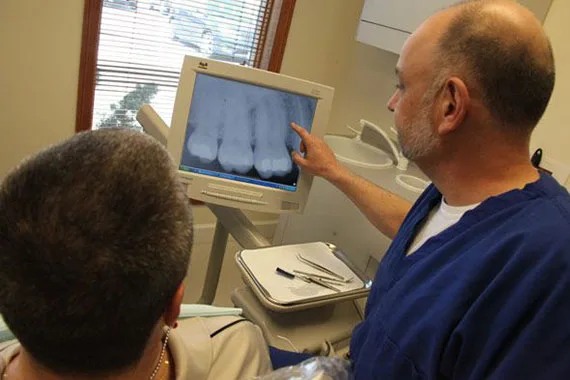
Dentist reviewing a digital x-ray with a patient
Comfortable, state-of-the-art dental care in Hyannis

Our Practice

Expert dental care with a warm, personal touch

We would like to welcome you to General Dentistry of Cape Cod, PC, located in Hyannis, Massachusetts. We are pleased to offer the skilled services of two outstanding dentists, Dr. Andy Uzpurvis and Dr. Paul Booth. Our dentists, along with our entire team, are committed to providing you with the high-quality dental care you need for a healthy, beautiful smile. We are committed to helping you maintain optimal oral health for a smile that is both healthy and beautiful. At our practice, we are devoted to providing comprehensive and preventive patient care.

The health and appearance of your mouth is very closely related to your overall health. Problems with dental function and/or appearance can adversely affect both your physical and emotional well-being. Our goal at General Dentistry of Cape Cod, PC is to help you first achieve and then maintain a lifetime of optimal oral health.

We consider our patients to be our greatest asset, and we work hard to develop trusting, lasting relationships with each of our patients. Your referrals are welcome and appreciated. Our team loves welcoming new patients, and we also pride ourselves on providing prompt emergency care. Dr. Uzpurvis and Dr. Booth are pleased to offer comprehensive dentistry in Hyannis, Massachusetts, and the nearby communities of Cape Cod, as well as Nantucket and Martha’s Vineyard, Massachusetts. We invite you to contact our office today to learn more and to set up your next visit.

General Dentistry of Cape Cod, PC is a modern, state-of-the-art practice offering Hyannis area patients a full-range of general and cosmetic dental services, from routine check-ups to complete smile makeovers. Drs. Uzpurvis and Booth practice conservative, proactive dentistry utilizing the latest in dental technology. Your comfort is always a primary concern.

The first step towards a beautiful smile and a lifetime of good oral health is to schedule an appointment. Our office works with numerous Insurance Carriers. For your convenience, we offer a variety of payment options. Call or email General Dentistry of Cape Cod, PC today to schedule your appointment. We look forward to serving you for years to come!

No-charge consultations

We offer limited consultations and second opinions at no charge.

Prompt emergency care

We pride ourselves on providing prompt emergency care.

Insurance & financing

We work with numerous insurance carriers and offer a variety of payment options.

Cape & Islands

Serving Hyannis, nearby Cape Cod communities, Nantucket and Martha’s Vineyard.

Meet Our Doctors

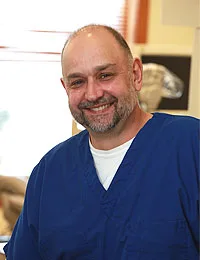
Dr. Andy Uzpurvis & Dr. Paul Booth

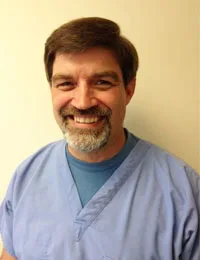
Andy Uzpurvis, DDS

Andy Uzpurvis, DDS

Dr. Andy Uzpurvis received his dental degree from the Medical College of Virginia School of Dentistry in 1986. He has undergraduate and graduate degrees in chemistry from Boston University and Rensselaer Polytechnic Institute, respectively. Dr. Uzpurvis completed a General Practice Residency program in dentistry at St. Francis Hospital and Medical Center in 1987. During his residency program, Dr. Uzpurvis received advanced training in dentistry, as well as training in internal medicine. Dr. Uzpurvis practiced dentistry in Connecticut for 15 years and has practiced on Cape Cod since 2002. He has been the owner of General Dentistry of Cape Cod, PC since 2004. Dr. Uzpurvis has a particular interest and skill in the dental surgical specialties, such as oral surgery and periodontal surgery. He can provide you with a simple yet cosmetic tooth-colored filling, or totally reconstruct your mouth to maximize function and aesthetics. Dr. Uzpurvis has been a member of the Academy of General Dentistry, an organization solely dedicated to continuing education, since 1986. He is also a member of the American Dental Association, the Massachusetts Dental Society and the Cape Cod District Dental Society. Although Dr. Uzpurvis puts all patients at ease, he has a way with patients that are dental phobics and the special needs of the elderly.

Paul L. Booth, DDS

Paul L. Booth, DDS

Dr. Paul Booth grew up in Barnstable, Massachusetts, and was a member of the BHS class of 1979. He graduated from Wheaton College in Wheaton, Illinois, in 1984. After completing graduate school in cell biology, he worked for 6 years in brain cell physiology research. Following dental school at The Ohio State University College of Dentistry, Dr. Booth completed a hospital residency, training in advanced dental and surgical techniques, especially with medically complicated cases. Dr. Booth started practicing dentistry in 1997 and has been in his current location since 2002. Since he began practicing dentistry, Dr. Booth has kept up to date with many continuing education classes, ensuring that his patients receive the most comprehensive and advanced care. Dr. Booth also has a way with patients helping to ease any anxiety, allowing patients to relax and actually have an enjoyable dental experience.

Meet Our Team

The friendly faces behind every visit

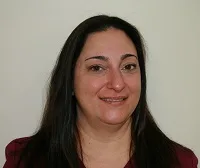
Tricia Maloney, Office Manager

Tricia Maloney

Office Manager

Tricia spent many years as a paralegal but has always been drawn to the healthcare field. In 2001, she decided to shift gears and work in the dental field. Tricia has been at our practice since 2009 and takes pride in working with our patients to provide them with the most pleasant experience possible. She has experience assisting patients with their scheduling, insurance, and financial needs. She is familiar with all areas of our practice and is ready to help solve any complex problem that arises. Tricia lives off Cape with her husband and children.

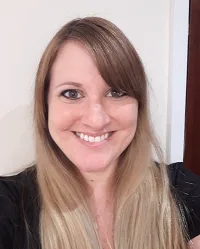
Laura Huntington, RDH

Laura Huntington

RDH

Laura Huntington is a registered dental hygienist and graduated with honors from the Cape Cod Community College Dental Hygiene program in 1990. Laura has over 20 years experience in the dental profession, having been a dental assistant for general, periodontal, and surgical practices starting in 1986. After graduating from dental hygiene school, she pursued a career in a periodontal practice for 10 years. She then worked in a practice that specialized in implantology, where she performed assisting during implant placement, maintenance care, and patient education. Laura is also licensed in local anesthesia and has taken many continuing education courses. She has been part of our staff at General Dentistry of Cape Cod, PC since 2002. Laura is passionate about prevention of gum disease and overall general health. She is thorough but gentle and compassionate, and she takes great pride in educating her patients on techniques to prevent disease. Laura is a mother of three and loves to work with children starting at the age of three.

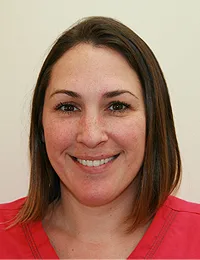
Tammy Ryan, RDH

Tammy Ryan

RDH

Tammy is a RDH graduating in 2002 from The Forsyth School for Dental Hygienist, she then continued on to receive her Bachelor’s degree from Massachusetts College of Pharmacy and Health Sciences graduating with high honors in 2003. She has over 18 years of experience as a hygienist and has also been a dental assistant throughout her career, assisting in all major aspects of dentistry from dental surgery to orthodontics. She loves working with the most dental phobic patients, helping them calm all fears. She lives in Wareham with her boyfriend and young son.

Melissa, Dental Assistant

Melissa

Dental Assistant

Melissa’s interest in teeth began at the age of 12 when she got her braces. She began her dental career in 2002 when she worked in the front office of an endodontic practice. She realized that she really wanted to be in the back, working with the dentist and patient. Over the last several years, Melissa has worked in both endodontic and general practices. She excels at keeping her patients informed and comfortable throughout their appointment. Melissa grew up in Mashpee, where she still lives with her husband and two children. She enjoys spending time with friends and family, going to the beach, reading, and cooking.

Jenny, Dental Assistant

Jenny

Dental Assistant

Jenny was raised on The Cape and is a graduate of Barnstable High School. After attending UMASS Amherst she settled into the Boston area working in administrative roles in the corporate world. She was realizing the work just wasn’t for her when she found dentistry. She graduated from the Dental Assisting program at Lexington Minuteman Technical School. She has enjoyed working in and learning about dentistry ever since. She loves getting to know her patients. Jenny and her husband eventually moved back home to Cape Cod and have loved raising their two kids (and doggies) near the ocean.

New patients are always welcome

Our team loves welcoming new patients, and we also pride ourselves on providing prompt emergency care.

Request an Appointment

Dental Care

Comprehensive care for every smile

While at General Dentistry of Cape Cod, we will provide you with the highest level of services and ensure that our dental work is the best of quality in Hyannis, MA. Take a look at the services that we offer and contact us for any questions or to schedule an appointment.

At General Dentistry of Cape Cod, PC in Hyannis, Massachusetts, we understand that having a smile that is attractive as well as healthy is important to your self-confidence. Dr. Uzpurvis and Dr. Booth are dedicated to helping you reach all of your goals for your smile, including a variety of cosmetic dentistry to help you achieve the smile of your dreams. Our cosmetic dental services include:

Dental bonding Fixing a chipped tooth, cracked tooth or a gap in your teeth is fast, easy and affordable with dental bonding. Dental bonding can also be used to improve the appearance of slightly discolored teeth and to change the shape of teeth, but it is typically recommended only for small cosmetic changes. Unlike other cosmetic treatments, dental bonding can be performed with little to no advance preparation. Dental bonding is also convenient and durable, taking just 30-60 minutes per tooth and lasting from 3-10 years.

Dental inlays and onlays are the same kind of restoration, but they cover different proportions of the tooth. A dental inlay fills the space in between the cusps, or rounded edges, at the center of the tooth's surface. The dental onlay works like an inlay but covers one or more cusps or the entire biting surface of the tooth. Because of their extensive coverage, dental onlays are sometimes referred to as "partial crowns." 

Dental onlays are more durable and usually last longer than dental fillings but, like any restoration, can still weaken the tooth's structure. The size of the filling and type of material you choose can help determine the life of your restoration. Depending on your budget and aesthetic needs, dental onlays can be made from gold, composite resin or porcelain.

If cared for properly, a dental onlay can last up to 30 years! Your best bet for preserving the life of any dental restoration is practicing excellent oral hygiene. Brushing, flossing and visiting the dentist regularly will have a significant outcome on the success of your dental onlay procedure. 

Have you noticed that your pearly whites are not quite as pearly or white as they used to be? Over time many factors can play a role in tooth discoloration. Though some steps can be taken to minimize further staining, you may want to get a little extra help from our dentists or use an over-the-counter teeth whitening product.

Most tooth discoloration and staining happens as we age and the enamel surface of our teeth weakens. Years of chewing and general use can cause your tooth enamel to become thin and crack, allowing staining agents to stick to your teeth.

The types of food and beverages you consume, smoking, bruxism and trauma can all contribute to tooth discoloration. By modifying some of these habits you may be able to limit future staining, but the only way to actually get rid of stains and brighten teeth is to speak with us about using teeth whitening dental products.

Porcelain veneers Years ago, smile makeovers involved multiple dental treatments over a period of several months. That's no longer the case, thanks to porcelain veneers. Porcelain veneers are ultra thin shells made of translucent porcelain that can be bonded to your teeth for cosmetic purposes. Extremely versatile and durable, porcelain veneers are an excellent option whether you want a total smile makeover or need to cover a chipped tooth, mask a cracked tooth, or close gaps between your teeth. They require little to no prepping and can often be applied in just one dental visit!

ClearCorrect “invisible” braces are a simple, easy alternative to metal braces. See the ClearCorrect page →

Kiss Your Wrinkles and Frown Lines Goodbye — ask us about our Botox® & Dermal Fillers today!

Are wrinkles, sagging skin, and facial lines starting to bring you down?

Now you can rejuvenate your skin and turn back the clock with Botox® and Dermal Fillers such as Juvederm®, Restalyne®, etc.

As you age, your skin loses tone, volume, and elasticity. Everyday actions such as laughing, smiling, and frowning can create deep facial creases and lines, making you appear older and tired. Now we have treatment options to minimize lines, wrinkles, and sagging skin. With Botox® and Dermal Fillers, you can take years off your face in just a short treatment session!

Botox® is a nonsurgical treatment that smoothes moderate to severe worry lines, crow’s feet, and laugh lines. Made of purified protein, this FDA-approved treatment effectively reduces the activity of the muscles that cause ageing facial lines. Botox® is administered through quick and comfortable injections, and results last up to 3 - 6 months!

Dermal fillers are used to plump sagging skin and smooth smile lines and nasolabial folds. After just a few comfortable, quick injections, you’ll immediately  see younger, fresher looking skin.

Why do so many patients in the Hyannis area choosing Dr. Uzpurvis for Botox® and Dermal Fillers?

Painless Procedures

The number one question that patients ask us about skin rejuvenating treatments is “does it hurt?” We’re happy to report that Botox® and Dermal Fillers treatments are easy and painless. Dr. Uzpurvis utilizes gentle injection techniques to ensure your comfort.

Erase Years in Just Minutes!

Fresher, younger-looking skin may be closer than you think! Our team generally completes Botox® and Dermal Fillers procedures in less than an hour. These efficient treatments can make you look years younger, and you won’t have to suffer through an extensive recovery period post-procedure. You can get the treatment you want and get on with your life—enjoying younger-looking skin right away.

For a no cost consultation, please contact us to set up a visit.

Smiling patient

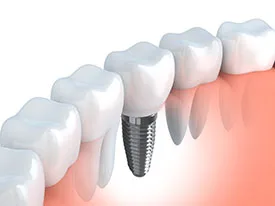
Dental Implants — the next best thing to your own natural teeth.

Dental implant illustration

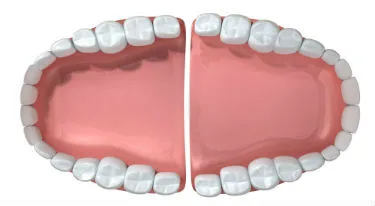
Many dentists encourage patients to get dental implants as they are considered to be the next best thing to one's own natural teeth. Once affixed, dental implants are permanent additions to a mouth as they will be anchored directly to the jawbone of a patient. The process can involve multiple stages including restorative dental work to improve dental health, the affixing of a tiny but sturdy titanium stud directly into the jawbone to replicate tooth root structure and then the final attachment of a the permanent dental implant.

The dental implant process can take months of oral surgery and healing. Patients with healthy teeth, gums and limited missing teeth are the best candidates. Remember, if properly cared for, dental implants can last a lifetime!

When you visit our experienced dentists and dental team, we work hard to provide you with an experience that is comfortable and enjoyable — high-quality, comprehensive dental care in a warm, relaxing atmosphere. Dr. Uzpurvis and Dr. Booth are pleased to provide general and family dentistry in Hyannis, Massachusetts, offering personalized care for patients of all ages.

Dental hygiene Most people treat their teeth and mouth very much like you would treat a used car. Other than keeping gas in the tank and changing the oil once every few thousand miles, the car receives very little maintenance. It’s not until the car generates a problem that you take it to the shop. Usually the problem could’ve been prevented much earlier, but when left unattended, it ends up being costly and expensive.

Dental and oral health is very much the same. Problems can and will be detected early on, before the problems are increased to cause an extreme amount of pain, time, and money. We want to save you from unnecessary pain and/or costs. When you come to our office for dental hygiene in Hyannis, Massachusetts, you can expect:

  • Thorough Exams and Cleanings
  • Dental X-Rays
  • Home Care (Instructions and Plans)
  • Brushing and Flossing Instructions

Regardless of when you come to our office, our dentists and dental team are prepared to help repair all damage and perform the necessary treatments to prevent further damage and pain. Call us to set up an appointment with Dr. Uzpurvis and Dr. Booth, or stop by General Dentistry of Cape Cod, PC during office hours. We are always happy to help.

TMJ Appliances
TMJ stands for the temporomandibular joints, which are the small joints in front of each ear that attach your lower jaw to your skull. They allow you to open and close your mouth, chew, speak, and swallowing.

There are different types of TMJ problems that respond to different methods of treatment. Our multi-specialty dentists are highly skilled in treating TMJ and can create a custom appliance to help alleviate your pain.

Snore Guard
Snore Guard is an anti-snoring device that helps to eliminate snoring before it starts. It is a jaw retaining mouthpiece that is fitted over your teeth and while it is in your mouth, it holds your lower jaw forward. 

Night Guards
It’s estimated that close to 20% of adults suffer from the negative effects of grinding and clenching their teeth, often called bruxing. The main reason people clench and grind their teeth is due to stress. Clenching and grinding not only causes excessive wear on your teeth, but the activity can also cause your facial and neck muscles to become sore.

Dr. Uzpurvis and Dr. Booth can fit you with night guards – plastic mouthpieces that fit over your upper and lower teeth – to lessen the damaging effects of clenching or grinding your teeth.

Sports Guards
Do you or your children play sports? If so, a properly fitted sports guard (athletic mouth guard) is essential to keeping your smile healthy. This can help to prevent damage to your smile that can occur during athletic activities, such as a cracked tooth, a chipped tooth, a knocked-out tooth, or a damaged restoration.

For more information about getting a mouth guard in Hyannis, Massachusetts, we encourage you to contact our dentists at General Dentistry of Cape Cod, PC today.

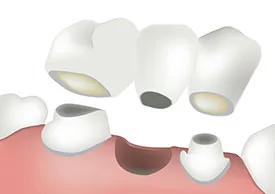
Dental bridge

Dental bridges are another option for filling the space where a tooth once was. The devices can also go by the moniker of partial dentures and can either be removable or permanent. The three basic types of dental bridges are traditional, cantilever and a Maryland bonded bridge.

The removable option will consist of replacement teeth connected to a gum-colored plastic base with a metal framework to anchor the fake teeth. Permanent dental bridges are called fixed and are used replace one or more missing teeth by placing dental crowns on each tooth surrounding the vacant space and affixing the replacement directly into the crown. Ultimately the fixed bridge is cemented into position.

Typically when people think of bone grafting treatments, they don’t associate the process with the dentist. This area of medical science is usually associated with other physical ailments. On occasion, however, bone grafting treatment does become pertinent in dental science, usually in places where teeth have been missing for some period of time.

After you have lost a tooth and time has passed, the jawbone will deteriorate in such a way that restorative implants become nearly impossible. One of the many benefits of modern medical science is that via bone grafting treatments, human bone can be restored and grown when needed. Because of this, we can enhance your teeth and smile to full functionality and achieve optimal cosmetic appearance in your smile. If you have experienced bone loss and are interested in dental implants, our dentists may recommend a bone graft in Hyannis, Massachusetts, using bone taken from another part of your mouth or body, bone from a tissue bank, or a synthetic bone-like material. Dr. Uzpurvis and Dr. Booth will help you determine which of these options is best suited to your needs.

To learn more about bone grafting and how we can restore your smile, we welcome you to call or visit us at General Dentistry of Cape Cod, PC.
 

If you've been told you need a dental filling, you're not alone: 92% of Americans have had at least one cavity. Dental fillings are the tried-and-true treatment for treating cavities – and they come in a variety of options to suit every need. Dental fillings can be made of silver amalgam, composite, porcelain and even gold. Amalgam fillings have been used by dentists for more than a century and are still the most common and cost-effective type of dental filling. But composite fillings, which are made of a tooth-colored plastic and glass composite, are quickly becoming the preferred dental filling due to their natural appearance and durability. The type of dental filling used is determined by a number of factors, including size and location of the cavity, as well as your budget.

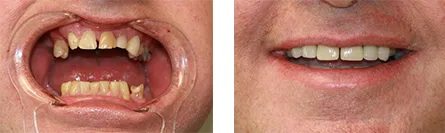
Before & After Crowns

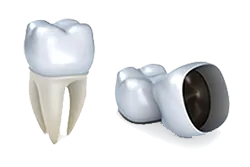
Dental crown
Crowns
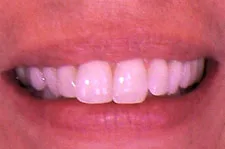
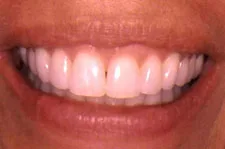
Before and after dental crowns
Before & after

Most people have heard the term dental crown before. But fewer know what crown lengthening is or why you'd need it. Yet dental crown lengthening is often a required step in preparing your tooth for a dental crown.  

Dental crown lengthening involves the removal of gum tissue, bone or both to expose more of a tooth's structure. Why would you need it? You might have broken a tooth at the gum line. Or you might just have a decayed tooth. Sometimes after your dentist removes the tooth decay, there isn't enough tooth structure left above the gum line to support a dental crown (or even a large tooth filling). Without enough structure to grab on to, ill-fitting dental crowns may cause chronic inflammation and irritation. Even worse, tooth decay may get in under the dental crown, creating the need for more dental treatment. You might even lose the tooth completely.

Although less common, crown lengthening may also be used cosmetically to treat what's called a "gummy smile." When an unusually large amount of gum tissue shows around the upper teeth, crown lengthening might help. Your dentist can expose more of your teeth, then sculpt your gum line to create the look you want.
 

Using dentures to replace missing teeth is not only great for your oral health; it's a great way to look and feel younger! Today, there are a variety of natural-looking and comfortable dentures for patients who need to replace missing teeth. Made of a gum-colored plastic resin or acrylic base and either resin or porcelain replacement teeth, dentures are custom designed to fit your mouth. If you have several teeth or all teeth missing on the upper or lower jaw, full dentures may be your best option. Partial dentures, which can be either fixed or removable, are great for patients who have several missing teeth scattered along the upper or lower jaw.

Dentures

The process of getting dentures may take a few months and several dental visits. In some cases, however, same-day dentures are also possible. With same-day dentures, the dentures are created right in the dentist's office instead of at an offsite laboratory. Same-day dentures aren't for everyone, though. If your dentures require a lot of customization, same-day dentures may not be right for you.

Just as with your natural teeth, dentures require daily maintenance. With regular wear and tear, your dentures can last 5-7 years. During that time, you may need periodic denture relines to accommodate changes in the contours of your mouth. Regular denture relines involve resurfacing the base to ensure that your dentures fit and function perfectly. If you break your dentures, it's critical to bring them to your dentist for professional denture repair. Home denture repair kits can cause more damage and be even more costly to fix.

All is not lost if you have gum disease. The infection can be tricky, usually starting out with little to no pain or irritation. You might not even know you have the milder form of the disease, called gingivitis. Without gum treatment, it can develop into the more severe form, periodontitis. Fortunately, treatment for gum disease is available! The goals of gum disease treatment are to control infection, prevent tooth loss and keep the disease from damaging tissues.

If you've got gum disease, your dentist may provide gum treatment or you may be referred to a periodontist, a dentist who specializes in the diagnosis, prevention and treatment of periodontal disease. Treatment for gum disease depends on how far the condition has progressed and how well your body responds to therapy. 

Gum disease is usually preventable. Just take care of your teeth! Proper oral hygiene is a good start: Brush regularly with a fluoride-containing toothpaste, floss every day and visit your dentist regularly.

If you think you need gum treatment, don't wait! Call our office today. 

Depending on the different treatments and services performed, it is important to adjust your regular hygienic care and eating habits during various periods of healing and repair. It is also of the utmost importance that after your mouth and gums have healed, and all treatments have had time to adjust to your mouth, that you maintain good, consistent hygienic habits for your teeth. Maintaining good dental hygiene is essential to ensuring your smile heals properly and that it stays free from damaging conditions like tooth decay and periodontal disease.

After all the treatments, Dr. Uzpurvis, Dr. Booth, or the assistant at General Dentistry of Cape Cod, PC will be able to instruct you on the individual necessary post-operational instructions. Be certain to carefully follow these instructions so that your smile will heal quickly, properly, and comfortably. If you have any questions about any of the procedures, any of the long-term effects of our services, or our post-op instructions in Hyannis, Massachusetts, please do not hesitate to give us a call. Our dentists and dental team are willing and eager to answer your every question so that we can provide you with the right kind of dental health and the best kind of smile that you can have.

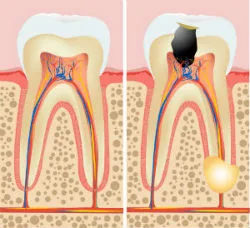
Root canal therapy Endodontic therapy is a complicated procedure that uses files to extract infected pulp from the root. When the infection remains in the root's canals, the tooth may not heal, causing it to become reinfected. There are several ways this can happen:
  • Newly formed tooth decay can cause a leakage of bacteria into the root canal.
  • The dental crown used to protect the tooth cracks, breaks or is placed too late, allowing new infection to enter the root.
  • The roots weren't cleaned thoroughly or where missed completely -- it can be difficult to remove the infection in curved root canals and some of the canals may be too hard to see, causing them to remain untreated.
  • The roots were incorrectly sealed or filled.
  • The tooth was contaminated by saliva during the procedure.

Many dental patients experience some discomfort as their tooth heals following a dental procedure -- so how will you know if your root canal requires endodontic retreatment?

Discomfort that does not go away within a couple of days or an increase in pain could be signs that your root canal is reinfected. If the toothache remedies we prescribe don't give you any relief, it may be also be a sign of a problem.

You may not experience symptoms right away -- a failed root canal can happen months or even years after the original procedure is performed. If the infection travels to the bone, a dental abscess can form, causing swelling in the gums. 

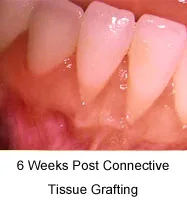
Three different types of gum tissue grafts are typically performed. The graft procedures include:

  • Connective-tissue grafts. This is the most common method used to treat root exposure. During the procedure, a flap of skin is cut at the roof of your mouth (palate) and tissue from under the flap, called subepithelial connective tissue, is removed and then stitched to the gum tissue surrounding the exposed root. After the connective tissue -- the graft -- has been removed from under the palatal flap, the flap is stitched back down.
  • Free gingival grafts. Similar to a connective-tissue graft, free gingival grafts involve the use of tissue from the roof of the mouth. But instead of making a flap and removing tissue under the top layer of flesh, a small amount of tissue is removed directly from the roof of the mouth and then attached to the gum area being treated. This method is used most often in people who have thin gums to begin with and need additional tissue to enlarge the gums.
  • Pedicle grafts. In this procedure, instead of taking tissue from the palate, it is grafted from gum around or near the tooth needing repair. The flap, called a pedicle, is only partially cut away so that one edge remains attached. The gum is then pulled over or down to cover the exposed root and sewn into place. This procedure can only be done in people who have plenty of gum tissue near the tooth.
     
   
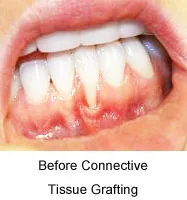
Gum graft before
Before
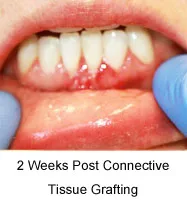
Gum graft two weeks after
2 weeks after
Gum graft six weeks after
6 weeks after

Tooth extraction When something is difficult, we say it's like pulling teeth. In reality, tooth extractions are routine dental treatments that help prevent more serious dental problems.

The most common tooth extractions are usually wisdom tooth extractions, but your dentist may also remove a tooth if it's coming in at an angle, threatening the position of other healthy teeth or contributing to overcrowding in the mouth.

In some cases, a broken tooth may also need to be extracted, as well as teeth with significant tooth decay that cannot be treated by a root canal. Patients with advanced gum disease may be considered for tooth extractions as well. While it's your dentist's goal to do everything to save your natural tooth, in the end, removing a potentially harmful tooth can spare you time, money and discomfort. 

Clear Correct®

ClearCorrect "invisible" braces are a simple, easy alternative to metal braces. ClearCorrect requires no uncomfortable wires or brackets, and it allows you to go about your normal routine without the self-consciousness brought about by conventional metal braces. With ClearCorrect, your dentist or orthodontist can straighten your teeth using a series of virtually invisible, removable aligners. Each custom aligner moves your teeth a small amount at a time until you eventually get straight teeth.

ClearCorrect before
Before
ClearCorrect after
After
ClearCorrect before
Before
ClearCorrect after
After

Read: Understanding Clear Correct Aligners

State-of-the-art technology helps us catch problems early and treat you comfortably.

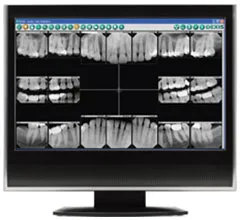
Digital dental x-ray Dental X-rays have come a long way. Todays dental X-rays are safer, faster, more comfortable and more informative than the X-rays of years past. Digital X-rays, one of the latest and most advanced dental technologies, produce high-quality images of your teeth that can be viewed instantly by you and your dentist on a LCD monitor. Digital X-rays reduce radiation by up to 90% and provide exceptional diagnostic information to ensure that potential problems are caught in their earliest stages. Intraoral photography is another alternative to traditional dental X-rays. With intraoral photography, problems such as cavities, fractures and discolorations in the teeth are captured through clear and sharp photographic images that are taken with a 35mm or digital camera.

In a nutshell, an intraoral camera is a small video camera that takes an X-ray of the outside of the gum or tooth. The intraoral camera resembles an oversized pen and although usage varies depending on the model-type, this image-taking device is typically outfitted with a disposable protective sheath for each new patient. While simultaneously viewing a monitor, the dentist inserts the camera into a patient's mouth and gently shifts it about so that images can be taken from a variety of angles. 

Dental laser surgery An exciting new form of dental technology is changing the way dentists -- and patients -- view dentistry. You may be aware of the use of lasers in cosmetic dentistry, but laser dentistry is also enhancing many types of dental surgery for your comfort and convenience!

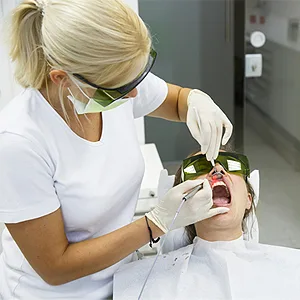
Dental laser surgery uses a beam of intense light to correct your dental problems. The energy produced by the laser actually "cuts" away or vaporizes the tissue it is concentrated on. Dental lasers remove bacteria and infection then cleanse the area in preparation for the restoration -- usually in less time and with less irritation than a dental drill. Laser surgery often means less discomfort, an easier recovery and fewer or shorter appointments than most conventional dental treatments. 

Originally developed for military purposes, advanced nickel-titanium alloy has found a place in dentistry. Flexible nickel-titanium rotary files are now used to increase the quality of root canals, allowing a dentist or endodontist to accurately follow the shape of the root canal itself. Using a passive, non-cutting tip, nickel-titanium rotary files gently remove the infected inner tooth (the pulp) and generally result in more precise and less painful root canals.

Our office has had an electrosurgery unit for several years. Electrosurgery is the application of a high-frequency electric current to biologic tissue as a means to cut, coagulate, desiccate, or fulgurate tissue. Its benefits include the ability to make precise cuts with limited bleeding. Electrosurgery is used for soft tissue surgery, including troughing, gingivectomies, frenectomies, and exposing implants, teeth, or orthodontic brackets. With electrosurgery, our dentists can provide you with a more efficient, more precise treatment that helps to improve your smile’s health with minimal bleeding and discomfort.

We welcome you to contact our dental team today at General Dentistry of Cape Cod, PC in Hyannis, Massachusetts, for more information about the benefits of electrosurgery. Our knowledgeable team will also be happy to answer any questions you may have about the other kinds of state-of-the-art dental technology we use at our office. Call us today to learn more and to set up your next appointment with Dr. Uzpurvis and Dr. Booth!

General Dentistry of Cape Cod, PC is proud to announce that we have incorporated the VELscope® System into our dental practice.                              

The VELscope System, recently approved by the FDA, was developed by the British Columbia Cancer Agency and Vancouver-based LED Dental Inc.  It is a revolutionary hand-held device that provides dentists and hygienists with a new tool to aid in the early detection of oral cancer.  The VELscope examination is a non-invasive, painless procedure which takes only a few minutes.  The dentist shines a blue light into the mouth to cause it to fluoresce.  This fluorescence helps the dentist visualize abnormal tissue which may be, or may lead to, oral cancer.

Over 30,000 people are diagnosed with oral cancer annually in the United States. With a mortality rate of over 50% at 5 years, one person every hour of every day dies of oral cancer in America. If detected early however, oral cancer is 90% survivable. Drs. Uzpurvis and Booth state: “We’ve always conducted an annual comprehensive oral cancer screening for all of our patients, but the VELscope System will allow us to see things we’ve been unable to see previously.  By detecting potential problems earlier, we’ll be providing our patients with the best oral health care currently available”.

For more information regarding the VELscope System, visit www.velscope.com or call General Dentistry of Cape Cod, PC with your questions, and to schedule an appointment.

Tour Our Office

A relaxed, welcoming space

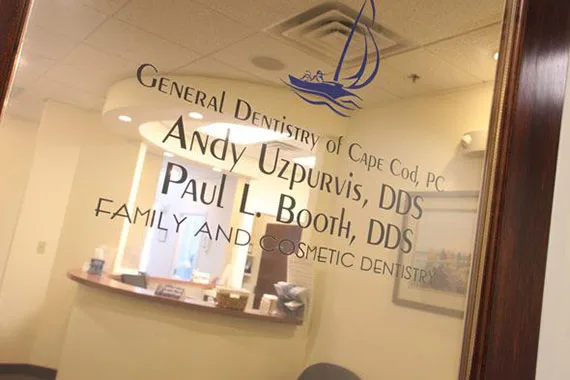
Reception area with the practice sign
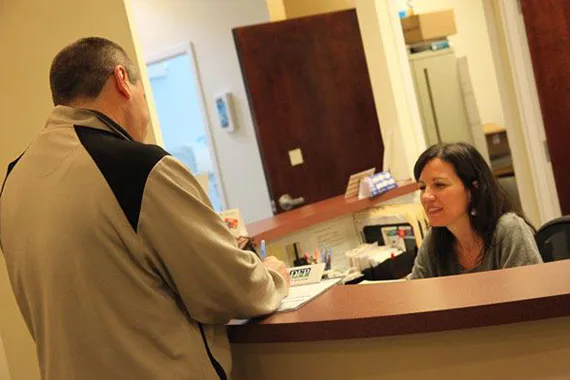
Patient checking in at the front desk
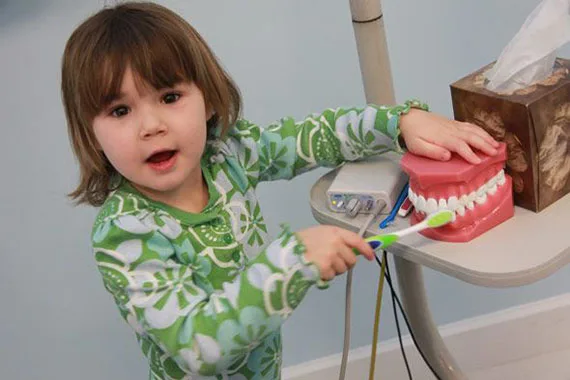
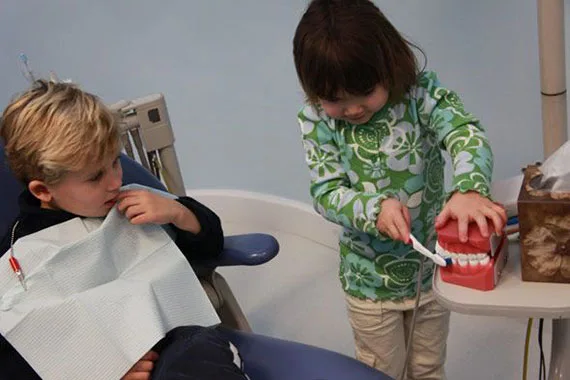
Young patient practicing brushing on a tooth model
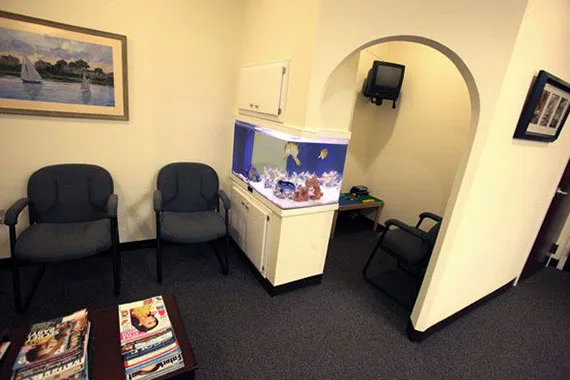
Comfortable waiting room
Patient relaxing in the waiting area by the aquarium
Saltwater aquarium in the waiting area
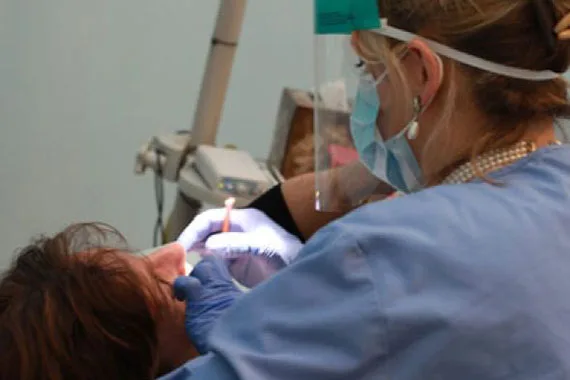
Hygienist caring for a patient
Children learning to brush with a dental model
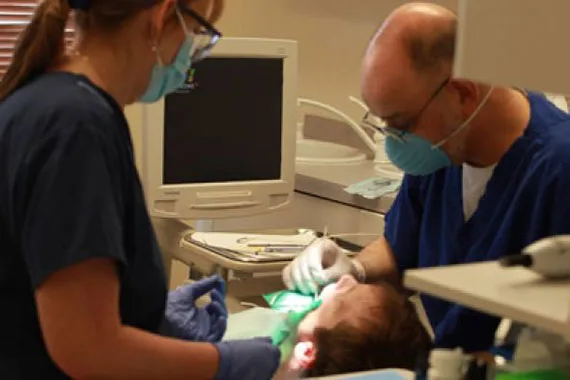
Dentist and assistant treating a patient
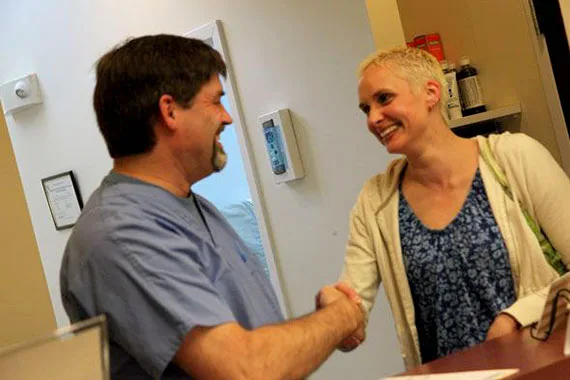
Dentist greeting a patient with a handshake
Team members at the front desk
Relax…We’ll take it from here.
Logos of community organizations: Cape Cod Symphony Orchestra, Our Lady of Victory Parish, Hyannis Area Chamber of Commerce, MVY Radio, Hyannis Youth & Community Center, Centerville Public Library and BNI

Community Involvement

Proud to be part of the Cape Cod community

From the Hyannis Area Chamber of Commerce and the Cape Cod Symphony Orchestra to the Hyannis Youth & Community Center, Centerville Public Library, Our Lady of Victory Parish, MVY Radio and BNI — these are some of the local organizations we are glad to stand alongside.

Blog

Dental health, explained simply

Bone graft surgery restores lost bone structure to allow for the anchoring of a dental implant or other piece of dental work. Thoughtful preparation and quality aftercare will help a speedy and successful recovery.

At the initial appointment you should let your surgeon know about any medications you are taking or medical conditions. The surgery is performed on an outpatient basis and requires deep sedation. This means you will need to arrange for someone to drive you and help you out for a while, until you are back on your feet.

Using tobacco slows the healing process and increases the risk of infection. If you use tobacco on a regular basis you might want to talk to your primary physician in advance about a cessation program. It’s a good idea to look for a program that doesn’t involve lozenges or nicotine gum as these can also irritate the gums.

While your gums are healing you will need to eat a soft foods diet. It’s a good idea to stock up in advance on soft foods like applesauce, mashed potatoes and yogurt. Proper hydration is important to recovery. Try to drink plenty of lukewarm liquids and avoid using a straw. The suction can harm the incisions or pull blood clots loose.

It’s a good idea to keep some sterile gauze on hand. It’s not uncommon for the incisions to weep a little blood for a couple of days afterward. You can lightly pack the area with sterile gauze. After the bleeding stops you can gently rinse your mouth with salt water to cleanse the area and soothe the gums.

If you have questions about planning for your procedure or things you can do to help the recovery process, please call us at 508-790-8300 to schedule an appointment.

It is important to us that you feel comfortable and safe at General Dentistry of Cape Cod, PC. We understand that dental phobia is a real problem, and we are here to help you in any way we can. So, if you are a victim of this anxiety, we recommend doing the following things so you can finally be happy in the dental chair:

Talk to the Dentist
If you tell your dentist how you feel in the dental chair, they will know how to manage and help with your dental phobia. Your dentist will be extra careful and extra gentle as they performs the needed treatment.

Bring Music
Feel free to bring an iPod or CD player into the office with you. You can listen to music throughout your treatment and it will help you stay distracted. We recommend bringing in a new artist or new album to listen to, particularly one that relaxes you, so you will focus on the music rather than your treatment.

Discuss Dental Sedation
Many dentists offer dental sedation in their offices to help their patients get through the treatment. The most common sedatives found are nitrous oxide sedation, oral sedation, and IV sedation. Talk to your dentist about your options and see if sedation is something that will help during your visit.

Determine a “stop” signal
If you and your dentist determine a stop signal before you begin treatment, you will have the control you need during your dental appointment. Your signal could be anything from raising your hand, making a coughing sound, or blinking three times.

Plan Breaks
Ask your dentist what your treatment will consist of. Have them give you specific details on what is going to happen and how long it’s going to take. Better yet, plan breaks before you begin treatment so you know you will have time to take a deep breath while the treatment is in progress.

As you do these five things, you will feel more in control and you will also feel safer. We want you to have the best experiences possible with Dr. Andy Uzpurvis and Paul Booth and our entire dental team, so if you have any suggestions or if you would like to talk to us about more tips involved with overcoming your dental phobia, call us now at 508-790-8300. General Dentistry of Cape Cod, PC should be a place that makes you happy and healthy—not scared and nervous!

Advanced gum disease, injuries or severe tooth decay can result in a loss of material in the bones that anchor your teeth. In some cases, your dentist might recommend that you have a bone graft procedure before getting a dental implant or being fitted for a permanent set of dentures. The graft will insure that there is enough healthy bone to anchor the implant for years to come.

At the initial appointment, your oral surgeon or periodontist will probably want to perform a series of X-rays or a CT scan. This will give them a clear picture of how much healthy bone is available or any other structural issues there might be in your jaw. The initial consultation is also a good time to let them know about any medications you are taking or medical conditions that might cause bleeding or issues with sedation.

Bone graft surgery is usually performed on an outpatient basis and often requires deep sedation. So you will need to arrange for someone to drive you. It would also be helpful to have someone at home for a few days while you are getting back on your feet.

The bone material for the graft can be extracted from your chin or a cadaver sample. The bone can then be surgically implanted into your jaw.

If you have questions about dental implants and bone grafts please feel free to call us at 508-790-8300 to schedule an appointment.

Are you thinking about improving your smile for the New Year? If so, you are not alone. Many people wish for straighter teeth. That is why more people are turning to Clear Correct than ever before.

Clear Correct are clear braces you can wear to straighten your teeth. The good news is they are clear so they are discreet and hard to see by others. With this series of aligners, you begin to wear them as they add gentile pressure to your teeth, so they move where they need to go. Over time, your doctor will check the progress of the movement of your teeth, and give you new sets of aligners to wear throughout each stage of the process. As long as you take proper care and wear them at least 22 hours a day, you can have a successful transformation to the smile you always dreamed of.

These aligners are also easily removable. This will help as you eat and clean your teeth each day. There are no wires to trap food particles, which makes your aligners easy to clean and your teeth easy to care for.

If you have any questions about Clear Correct, and if they are right for you, please call our office. We would be happy to schedule you a consultation to see if this would be an excellent option for you. So, call us today and schedule an appointment. Let us give you the straight smile you always dreamed of. 

A dental bridge is a strong, reliable appliance that replaces your teeth for many years. It can finally give you the smile you want and the bite you need. It is a great option if you have one missing tooth or several consecutive missing teeth in a row. It is also a great option if you wish to:

• Restore your smile
• Have the ability to properly chew and speak
• Maintain the shape of your face
• Improve the force in your bite
• Prevent remaining teeth from drifting out of place

A dental bridge is generally made of two or more dental crowns and false teeth. The dental crowns anchor the bridge into place by being cemented to the remaining natural teeth that lie on both sides of the gap in your mouth. Between the crowns are false teeth that will fill the hole and improve your smile.

If you take good care of your dental bridge, it could last more than 15 years! To care for your appliance, simply brush your teeth every morning and every night, floss your smile at least once a day, and rinse your mouth daily with beneficial mouthwash. It is also very important that you attend your six month checkups.

Call our office today if you would like to know more about dental bridges! We are happy to help you.

Did you know that a root canal is technically just a different name for the nerve (also called pulp) in the center of a tooth? Or that root canal therapy is simply removing that pulp if it is damaged or infected, then sealing your tooth again? While root canal therapy is dreaded, it is also very important to prevent the spread of infection. But how can you know if you need root canal therapy? Granted, a dentist will be able to give you a precise answer, but we’re happy to offer a few signs you should watch for.

As a general rule, if you have a toothache you should call a dentist. If you have intense pain that refuses to subside, you may need root canal therapy. This is especially true if you experience pain or sensitivity to temperature while you’re chewing.

Similarly, if your gums swell you may need root canal therapy. In reality, it doesn’t matter how sever the swelling is, or if it visible outside of your smile or not. Another sign related to this problem is a painful, potentially recurring, pimple on your gums.

Finally, if one or more of your teeth start to take on a different shade, there may be a problem with your pulp. Because the outer layer of your teeth is transparent, if you pulp becomes infected it can be visible on your smile.

Have you noticed any of these signs? Or are you interested in learning more about the need for root canal therapy? Are you simply interested in scheduling an appointment with our team? If you said yes to any of these questions, please feel free to contact us today. We will gladly answer any questions you may have.

An apple a day keeps the doctor away, right? While apples certainly have many health benefits, have you ever wondered what eating an apple a day will do for your need to visit the dentist?

Just like you shouldn’t completely avoid your doctor even if you eat an apple every day, you’ll still need to visit your dentist occasionally. In fact you’ll still need to visit your dentist every six months to remove plaque and tartar buildup that can’t be removed without a dentist’s specialized tools. But still, there are a few dental benefits provided by something as simple as eating an apple—or other crunchy fruits and vegetables.

Typically, your dentist will tell you to avoid sweet foods because they can promote tooth decay. Apples however, are an exception to the rule for a variety of reasons. For example, though they are sweet, they are also high in water and fiber. Even better, the action of chewing an apple will produce saliva, which will then carry away bacteria and food particles. Typically, both bad breath and tooth decay are caused by bacteria and food particles. In other words, chewing an apple can hold off tooth decay, cavities, and improve your breath. Eating an apple can also stimulate your gums, which promotes their health.

Please note that while eating an apple does provide quite a few dental benefits, it is not a substitute for maintaining good oral hygiene. You will still need to brush, floss, and visit your dentist every six months. Essentially, eating an apple is a good way to hold off plaque and bacteria until you’re able to brush your teeth.

If you are interested in learning more, please feel free to contact us soon. We are excited to hear from you.

Your teeth have three layers: the enamel, dentin, and pulp. If your pulp—the soft center layer of your tooth—becomes infected, an abscess could form. This pocket of pus can appear at the root tip and on the gums. Typically, abscesses are caused by an untreated dental cavity or by inadequate dental care. If an abscess is not treated, serious complications could follow.

Fortunately, there are many things you can do to recognize an abscess, and there are several treatments your dentist can do for you.

If you notice any of the following symptoms, we recommend visiting your dentist soon:

  • Sensitivity to temperature and when chewing
  • Redness in your mouth and face
  • Persistent, throbbing toothache
  • A fever
  • Afoul-smelling, foul-tasting fluid followed by pain relief
  • Swelling

Your dentist will need to remove the infection in order to treat your abscess. At times, this may mean a root canal—which is relatively painless and can preserve your natural tooth—or having your tooth extracted. If an extraction is necessary, a dentist may recommend one of several restorations to restore your smile to its optimal comfort and function.

If you are worried about abscesses or are interested in scheduling an appointment with our dentist, please don’t hesitate to contact us today. We are excited to hear from you.

Crown lengthening is a procedure that reshapes gum and bone tissues to make the crowns of your teeth appear taller. This periodontal surgery is used for:

  • A “gummy smile.” Excess gum tissue that makes the teeth appear short.
  • Application of a dental restoration (like a crown). Crown lengthening is needed if the tooth has damage below the gum line or there is too much gum tissue for the restoration.
  • Improves gum health. Excess gum tissue increases your risk for periodontal disease. A crown lengthening procedure may even be used to treat this condition.

After injecting an anesthetic, your dentist will make incisions to the gum tissue. He will then remove some of it or repair the tooth, depending on what you need the crown lengthening procedure for. Your dentist will stitch your gums together and apply a bandage to the area.

You should experience very little pain after this surgery. Other common symptoms include some bleeding and increased sensitivity. Symptoms that are not common after this procedure include:

  • Swollen lymph nodes
  • Bleeding that doesn’t stop
  • Severe pain that pain medication cannot relieve
  • Excess swelling or discharge
  • The bandage becomes loose or falls off

If you develop any of these symptoms, then call your dentist immediately. However, most of the time you should experience no problems; especially if you follow the aftercare instructions your dentist gives you.

Gum recession, a process in which gum tissue that surrounds the teeth pull away from a tooth, exposing the roots. If left untreated, your dentist may recommend surgery to repair the damage. Often times, your dentist will tell you a gum graft is needed. Don’t panic, our team is going to give you the facts first.

Soft tissue grafts are also known as connective-tissue grafts

A connective-tissue graft is a common procedure used to treat root exposure. In this procedure, a piece of skin is cut from the roof of your mouth, where tissue will be removed from. Once the tissue is removed, it is then stitched to the gum tissue surrounding the exposed tooth’s root. The skin from the roof is also stitched back to its original place.

Your insurance can help

Cost plays a big role in any dental or medical procedure, we know that. Thankfully, many dental insurance providers will pay a portion of the cost for your soft tissue graft procedure. If you aren’t sure if your insurance company covers this procedure, it may be a good idea to speak with a representative as well as your dentist.

Soft tissue grafts don’t guarantee future damage

Soft tissue grafts are effective in treating gum recession and preventing further damage, however there is no guarantee that problems won’t develop again in the future. It’s important to have regular dental checkups, brush your teeth twice a day with fluoride toothpaste, floss daily, eating well and not smoke.

By practicing healthy habits, you can ensure your soft tissue gum graft for years to come. Call our office today with any of your questions of concerns at 508-790-8300!

Despite your best efforts, your tooth may become damaged or discolored. Because of an injury, your tooth may become chipped, cracked, or broken. Perhaps you have decay or a large dental filling that has severely weakened your tooth. In some cases, a tooth may be irregularly shaped or discolored. If you have any of these dental problems, never fear! Dental crowns are here! You will not have to live with a weakened or otherwise damaged tooth.

A dental crown is a tooth-shaped cap that is placed over your tooth to repair and strengthen it. Dental crowns are used by dentists to restore teeth. Dental crowns can restore or fix the shape, size, strength, or appearance of your tooth. Your dental crown can save your tooth by doing one or more of the following:

• Protect your tooth from breaking if it is weak
• Restore your tooth if it is broken or worn down
• Cover, protect, and support your tooth if it has a large dental filling
• Cover a tooth that is misshapen or stained
• Improve the appearance of a tooth

Your dental crown may be constructed of metal, porcelain fused to metal, porcelain, or ceramic. Ask your dentist which type of dental crown is best for you.

Are you considering getting a piercing in your tongue, cheek, or lip? Before getting an oral piercing, there are a few things you need to know about how it can negatively affect your oral health.

  • Because your mouth is full of bacteria, the risk for infection and swelling from a piercing increases.
  • You can crack your teeth with the constant clicking of a piercing or if you bite down on it.
  • Your sense of taste can be altered.
  • Piercings can interfere with speech, chewing, and swallowing.
  • You could choke on a piece of jewelry if it breaks of in your mouth.
  • You may experience an allergic reaction to the metal of a piercing.
  • A pierce can cause increased saliva production which can lead to excessive drooling.
  • A tongue piercing can caused prolonged bleeding.
  • Your mouth and tongue can swell so much that they can block your airway.
  • A piercing can cause nerve damage, permanently numbing the tongue and affecting how you move your mouth.
  • Oral piercings can damage gum tissue and lead to gingival recession.
  • Oral piercings can result in more serious infections like endocarditis or hepatitis.

You’re not alone if you’re afraid to visit the dentist. Even though most dental appointments aren’t painful, it is common for patients to be fearful of dentistry, so it’s nothing to be embarrassed about.

Dental anxiety and dental phobia are unpleasant and uncomfortable and will adversely affect your oral health, which can ultimately affect your overall quality of life. If you suffer from dental anxiety or phobia, we want you to meet two genuinely friendly dentists who cater to the faint of heart.

Dr. Uzpurvis and Dr. Booth are both excellent dentists who specialize in helping their patients to feel comfortable while leading them gently back to oral health. Dr. Uzpurvis is well known for his ability to help his patients relax and to address the special needs of his elderly patients. And Dr. Booth is also known for his remarkable capacity to ease the concerns of patients who struggle with dental anxiety. Both doctors are two of the friendliest dentists you could ever hope to meet!

So, what’s the secret to maintaining a bright, “movie star” smile? Here at General Dentistry of Cape Cod, we recommend that you brush your teeth twice a day for two minutes each brushing session with fluoride toothpaste, floss once a day, eat a well-balanced diet and come to visit us for your regular checkups and cleanings.

Dr. Booth and Dr. Uzpurvis and their caring staff members are all here to accommodate you and your dental health needs. We are proud of the personalized care that we provide for each patient, every time you visit. Regardless of whether you’ve been a long-time patient with us, or it’s your first time at our office, our team will take good care of you every time.

More than 700 different strains of bacteria have been found colonizing in the human mouth. As a patient gets older, his or her mouth changes, in turn affecting the amount of microorganism colonies living in the oral cavity at one time.

Some bacteria are worse than others, but scientists have identified a few specific diseases that have developed through these specific bacteria living in the mouth. The top two bacteria found in patients’ mouths are Streptococcus Mutans and Porphyromonas Gingivalis (try to say those ten times fast!). These can each lead to Periodontitis and other gum diseases, tooth decay, tooth loss, and even root canals.

Streptococcus Mutans is a bacteria that lives in the mouth and feeds on the sugars and starches the individual has eaten throughout the day. These bacteria are the main cause of tooth decay in humans today.

Porphyromonas Gingivalis is an oral bacterial disease that can lead to the development of the gum disease, Periodontitis.

Periodontitis is a common infection developed by bacteria in the mouth and infects supporting structures of the teeth. It can lead to tooth decay and tooth loss if not properly taken care of.

Once an oral bacterial infection is developed, it is very unlikely that the individual will be able to rid themselves of it. Rather, preventative care assures that these diseases will not get out of hand.

Managing Bacteria

The best way to manage a bacterial infection is to eat a well-balanced diet and brushing and flossing daily. If the bacteria get worse, an oral, antibacterial mouthwash cleans out the bacteria to the extent of which it is capable.

The health of the back teeth of the mouth is often reflected in the front teeth. Consistent brushing and flossing will help build a healthy mouth from the ground up, so you can smile confidently.

For more information on oral bacterial infections, treatment plans, or preventative options, visit with your dentist or oral surgeon today.

Dental Bonding

Fixing a chipped tooth, cracked tooth or a gap in your teeth is fast, easy and affordable with dental bonding. Dental bonding can also be used to improve the appearance of slightly discolored teeth and to change the shape of teeth, but it is typically recommended only for small cosmetic changes. Unlike other cosmetic treatments, dental bonding can be performed with little to no advance preparation. Dental bonding is also convenient and durable, taking just 30-60 minutes per tooth and lasting from 3-10 years.

Dental Implants

Dental implants are an extraordinary blend of science and art. Made of titanium, dental implants are securely anchored into the jaw and serve as roots for dental crowns. In many cases, dental implants – and mini dental implants, the smaller version -- are considered the best option for replacing missing teeth. They are also used to replace dental bridges or partial dentures, or to provide support for dentures. Dental implants offer several advantages over other tooth replacement options. They look, feel and function just like real teeth! With dental implants, surrounding teeth are left untouched. Finally, dental implants are exceptionally reliable. Year after year, dental implants have had high success rates and typically last 15-20 years.

Single Tooth Implants

If you're missing a tooth and want the very best dentistry has to offer, you could be the perfect candidate for single-tooth implants. Single-tooth implants act as tooth roots for replacement teeth. They are securely anchored into the jaw and topped with a dental crown for the very best in look, feel and function. Single-tooth implants offer several advantages over other tooth replacement options, such as dental bridges and partial dentures. Surrounding teeth and the jawbone are better preserved. Single-tooth implants are also easier to clean. And they can also outlast bridges and dentures by about 10 years!
For Patients

Forms, insurance & payment

Take advantage of our resources to enhance your dental experience. Find our downloadable patient forms and financial options. Please feel free to contact us for any questions or concerns.

Patient Forms

We want to welcome you to the General Dentistry of Cape Cod, PC family! We are glad that you are interested in becoming a patient of Dr. Uzpurvis and Dr. Booth’s Hyannis, MA dental practice. New patients are always welcome here. Everyone at General Dentistry of Cape Cod, PC is committed to making your visits pleasant and stress-free. Your comfort is our top priority.

Download new patient registration materials

Insurance & Payment

Drs. Uzpurvis and Booth make every effort to provide not only excellent, but also affordable dental care. Money shouldn’t keep you from having the perfect smile you deserve. We offer pain-free, flexible payment options allowing you to finance your smile with easy monthly payments if necessary. In addition to accepting cash and major credit cards, we also work together with organizations that provide excellent financing options.

CareCredit. We work hand-in-hand with CareCredit Patient Payment Plans, which offer special financing options at a reasonable rate so you can make easy monthly payments for dental treatments. Learn more at CareCredit.com.

Insurance. You may be able to use your own dental insurance if you have a policy that allows you to choose your own dentist. If so, we are happy to file your insurance claims for you so that you can be reimbursed by your insurance company.

CareCredit: Submit Payment

Make a Payment

Pay your balance securely online. Enter the payment amount below.


Questions?

Call (508) 790-8300 or email our office.

Reviews

Read patient reviews for Dr. Uzpurvis, Dr. Booth and our team

We think you can tell a lot about dentists in the Hyannis area from their patient reviews. Dr. Andrius Uzpurvis, Dr. Paul Booth and the staff at General Dentistry of Cape Cod, PC are proud that our commitment to excellence in general dentistry and cosmetic dentistry has earned so many positive reviews. See for yourself what actual patients say about their experience with Drs. Uzpurvis and Booth.

Read our reviews on Yelp
Review us on Yelp

Request Appointment

Ready for a convenient, comfortable visit?

Ask us about our practice and get an appointment today. Tell us when works best and our office will get back to you.

Smiling patient showing healthy teeth

Contact Us

You’ll love our convenient location

Exceptional dental care is a lot closer than you think. Our great location, convenient office hours and friendly staff make every visit a pleasant experience. Remember, you don’t have to travel far to get the quality care you deserve.

Address

100 Independence Dr
Hyannis, MA 02601

Phone

Office: (508) 790-8300
Fax: (508) 790-9428

Office Hours

  • Monday8:00am – 4:30pm
  • Tuesday8:00am – 4:30pm
  • Wednesday8:00am – 4:30pm
  • Thursday8:00am – 4:30pm
  • Friday8:00am – 4:30pm
This site is an independent promotional redesign built by Wicked Fast Web to demonstrate our work — it is not officially affiliated with, endorsed by, or paid for by the business shown here. No subscription or payment is attached. If you're the owner and have questions, want to make it official, or want it taken down, get in touch. Prefer to just grab time on my calendar? Book a 15-minute call.